
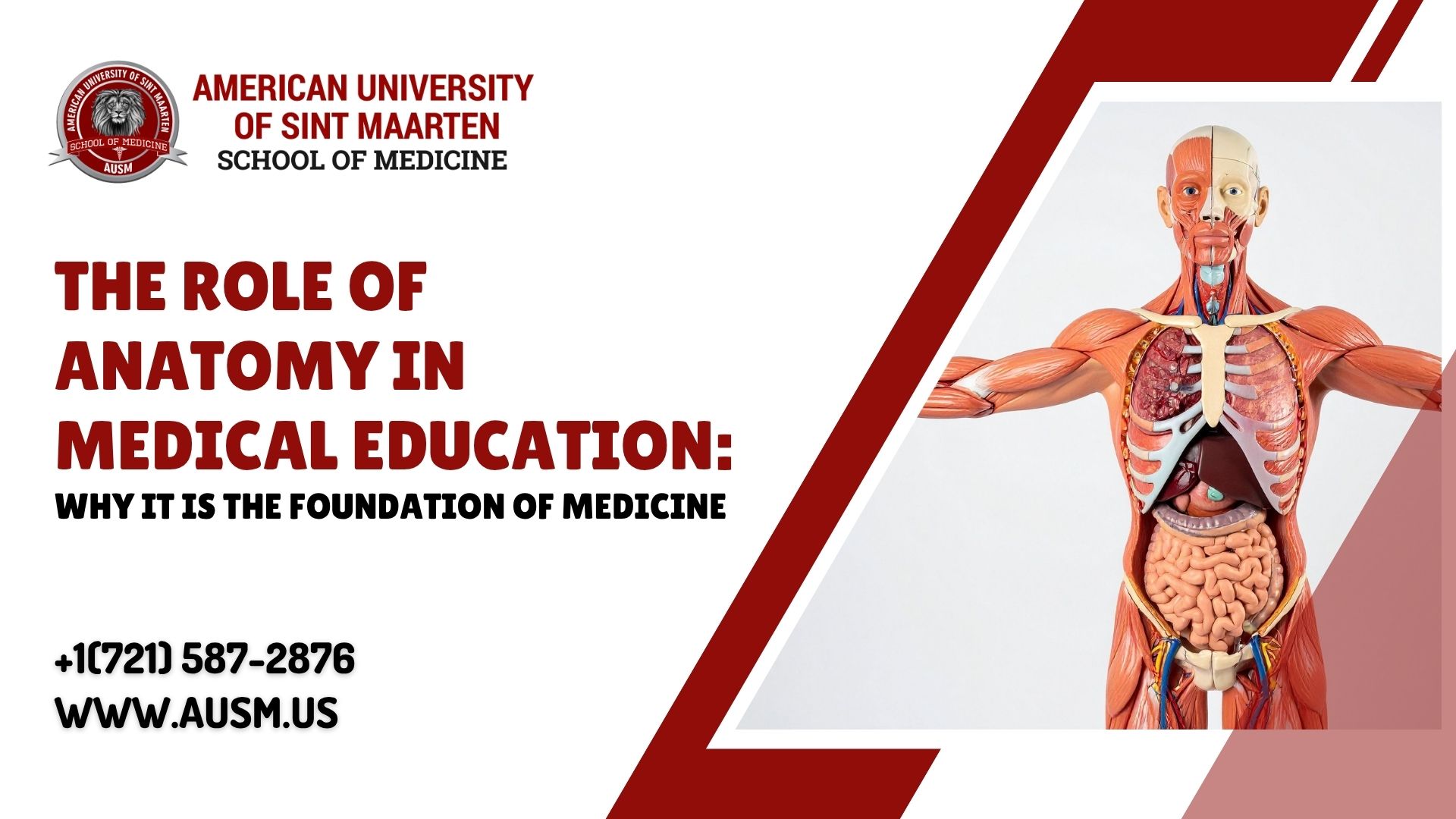
Anatomy is one of the most essential subjects in medical education and serves as the foundation for understanding the human body. Every future doctor must first learn how the body is structured before they can understand how it functions, diagnose diseases, or treat patients.
At the American University of Sint Maarten, anatomy is a core part of the medical curriculum, helping students build the strong scientific foundation required for clinical success.
In this blog, we explore why anatomy is so important in medical school and how it shapes future physicians.
Why Anatomy is Important in Medical School
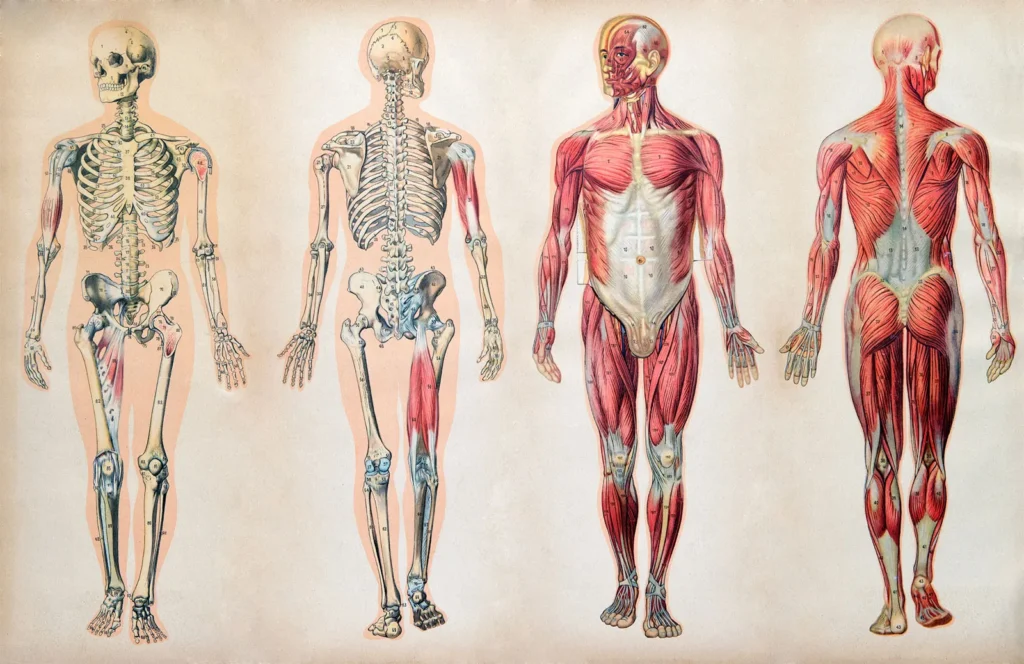
Anatomy provides a detailed understanding of the human body, including organs, tissues, bones, and systems. Without this knowledge, it would be impossible to practice medicine effectively.
Medical students study anatomy to:
- Understand body structure and organization
- Learn how organs function together
- Identify normal vs abnormal conditions
- Prepare for clinical diagnosis and treatment
- Build a foundation for all medical specialties
It is often the first major subject that introduces students to real medical learning.
1. Anatomy Builds the Foundation for Clinical Knowledge
Before a doctor can diagnose a disease, they must understand where it occurs and how it affects the body.
Anatomy helps students:
- Locate organs and structures
- Understand body systems (nervous, cardiovascular, respiratory, etc.)
- Connect theoretical knowledge with real-life cases
At the American University of Sint Maarten, students are guided through structured learning that connects anatomy with clinical application.
2. Essential for Medical Diagnosis
Anatomy plays a key role in diagnosing medical conditions.
For example:
- Chest pain relates to heart and lung structures
- Abdominal pain requires knowledge of digestive organs
- Neurological issues involve brain and nerve pathways
Without anatomical knowledge, accurate diagnosis would not be possible.
3. Supports All Medical Specialties
Every medical specialty depends on anatomy, including:
- Surgery
- Internal Medicine
- Pediatrics
- Orthopedics
- Radiology
Whether a doctor is performing surgery or interpreting scans, anatomy is always essential.
4. Helps in Clinical Skills Development
During clinical training, students use anatomy to:
- Understand patient symptoms
- Interpret medical imaging (X-rays, CT scans, MRIs)
- Perform physical examinations
- Plan treatments and procedures
This makes anatomy a bridge between classroom learning and real patient care.
5. Improves Understanding Through Practical Learning
Modern medical education uses different tools to teach anatomy effectively, such as:
- 3D models
- Diagrams and illustrations
- Lab dissections
- Digital simulations
At AUSM, students gain both theoretical and practical exposure to anatomy for deeper understanding.
6. Strengthens Critical Thinking in Medicine
Anatomy also helps students develop analytical and critical thinking skills.
Medical students learn to:
- Observe details carefully
- Analyze complex structures
- Make connections between symptoms and body systems
These skills are essential for becoming a successful physician.
Anatomy at AUSM
At the American University of Sint Maarten, anatomy is taught as part of a structured MD pathway that focuses on:
- Strong foundational sciences
- Interactive and practical learning
- Clinical correlation from early stages
- Student-centered education
This approach ensures students are well-prepared for advanced medical training and real-world practice.
Career Benefits of Strong Anatomy Knowledge
Students with strong anatomy knowledge are better prepared for:
- Medical licensing exams
- Clinical rotations
- Surgical training
- Residency programs
- Future medical practice
It becomes a lifelong tool throughout a doctor’s career.
Final Thoughts
Anatomy is not just a subject—it is the foundation of medicine. It helps students understand the human body, diagnose diseases, and provide effective treatment.
At the American University of Sint Maarten, students receive strong anatomical training that prepares them for academic success and professional excellence in healthcare.
Start Your Medical Journey Today
Take the first step toward becoming a future physician with the American University of Sint Maarten and build a strong foundation in medicine from day one.


